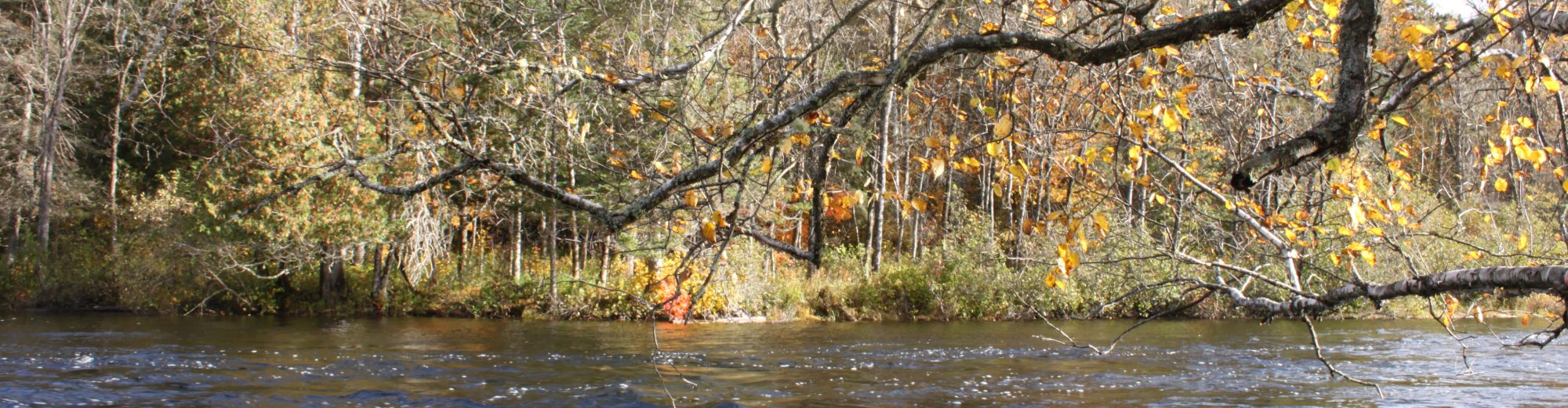
Effets des stress thermiques sur la condition et la croissance du saumon atlantique juvénile dans les rivières de l’Est du Canada (Effects of heat stress events on growth and condition of juvenile Atlantic salmon in Eastern Canada rivers)
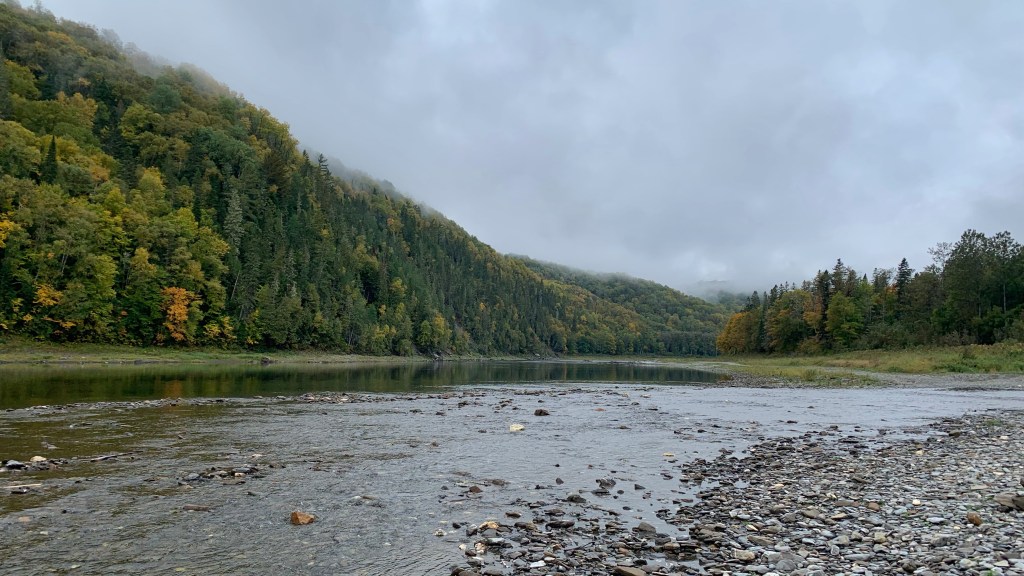
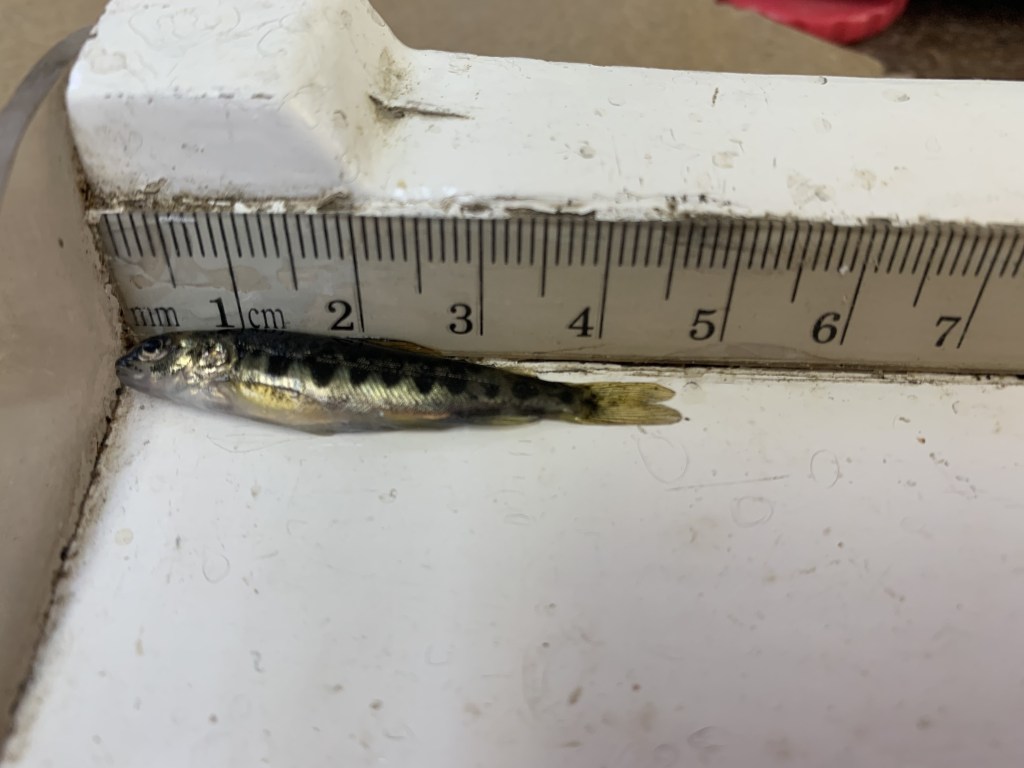

Le réchauffement des rivières dans l’est du Canada constitue une menace pour la productivité et la résilience des populations de saumon atlantique (Salmo salar). L’augmentation de la fréquence et de l’ampleur des évènements de stress thermiques pourrait avoir une incidence négative sur la croissance et la condition des saumons atlantiques juvéniles en raison de l’augmentation des coûts métaboliques avec la température. La disponibilité de refuges thermiques pourrait toutefois atténuer les effets des événements de stress thermiques sur la croissance et la condition des juvéniles. Ce projet vise donc à évaluer les effets des événements de stress thermique et de la disponibilité des refuges thermiques sur la condition et la croissance journalière des saumons 0+ en utilisant la sclérochronologie des otolithes. Trois à cinq sites dans six rivières au Québec et au Nouveau-Brunswick ont été échantillonnés (n=15 poissons/site) afin de couvrir une variabilité de régimes thermiques et de disponibilité de refuges thermiques. L’étude des liens entre la croissance du saumon juvénile et les épisodes de stress thermique pourrait mener au développement d’importantes connaissances pratiques et aider à mieux prévoir la production de saumon atlantique dans les rivières de l’Est du Canada.
The warming of rivers throughout Eastern Canada poses a threat to Atlantic salmon (Salmo salar) populations. The increase in the frequency and magnitude of heat stress events could negatively affect the growth of juvenile Atlantic salmon (JAS) due to increases in metabolic costs with temperature. Yet, thermal refuge availability could mitigate the effects of heat stress events on JAS growth. This project aims at assessing the effects of heat stress events and thermal refuge availability on the condition and daily growth of JAS by using otolith sclerochronology. Three to five site within six rivers in Quebec and New Brunswick (Canada) were selected for fish sampling to cover a variability of thermal regimes and thermal refuge availability (n=420 JAS). Investigating the linkages between salmon growth and heat stress events could lead to the development of important practical knowledge and help better predict the production of Atlantic salmon in warming Eastern Canada rivers.
Des individus aux populations : liens entre comportement, métabolisme et sélection d’habitat
La sélection des habitats est un comportement important reliant des individus aux conditions environnementales de leur habitat. Elle est généralement étudiée pour faire des inférences sur les patrons de distribution des populations. Or, la sélection des habitats peut varier entre individus d’une même population et cette variation peut excéder la variation observée entre les populations. D’une part, si la sélection des habitats est adaptative, on peut supposer que les individus sélectionneront des habitats leur permettant de maximiser leur performance. D’autre part, les conditions environnementales dans les habitats peuvent affecter les performances individuelles, impliquant ainsi que la sélection des habitats peut avoir des conséquences physiologiques. Par ailleurs, l’environnement social peut influencer la performance physiologique des individus. L’objectif général de la thèse était l’étude des déterminants et des conséquences physiologiques de la sélection des habitats chez les poissons. Le projet s’est déroulé sur le terrain (suivi du mouvement de poissons) et en laboratoire (estimation de taux métaboliques, observation des comportements). Les travaux ont été menés sur des achigans à petite bouche (Micropterus dolomieu) et des vairons (Phoxinus phoxinus).
Habitat selection is an important behaviour that relates individuals to the environmental conditions in their habitat, and is generally studied to infer population-level patterns of distributions. Habitat selection varies among individuals and there is growing evidence that individual differences often exceed population differences in habitat selection. On the one hand, if habitat selection is adaptive, it could be hypothesized that individuals would select habitats that would maximize their fitness. On the other hand, environmental conditions in habitats can have physiological consequences, which can be amplified or masked by the social environment. Therefore, the general objective of this thesis was to better understand the determinants and physiological consequences of habitat selection. The project implied a combination of field work (tracking of fish movement) and laboratory experiments (estimation of metabolic rates, beharioural observations) . The studies have been conducted on smallmouth bass (Micropterus dolomieu) and Eurasian minnow (Phoxinus phoxinus).
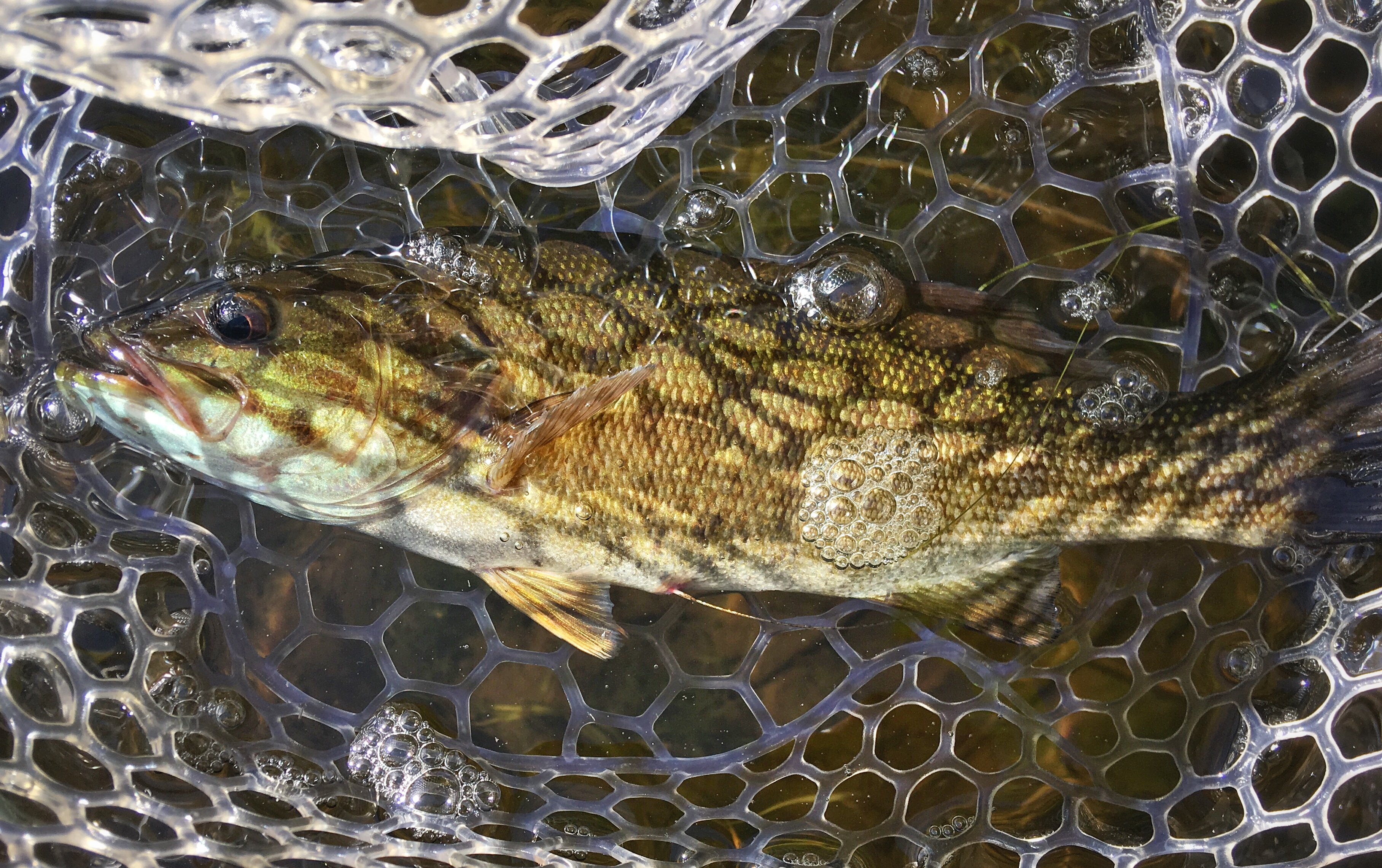
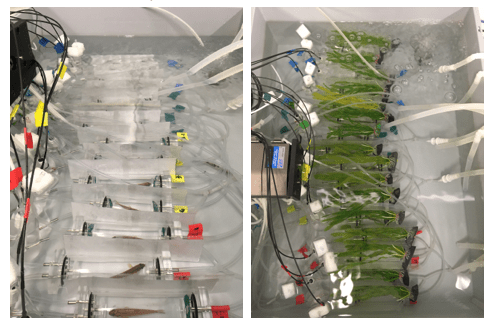
Freshwater ecosystems are subjected to many threats and stressors, but habitat loss has been identified as the principal threat to freshwater fish populations. By studying the determinants of fish habitat selection, the ultimate goal of our project is to improve our ability to develop valid models, and therefore to guide conservation of critical habitat for freshwater fish.
Thermal stress in a tropical freshwater fish 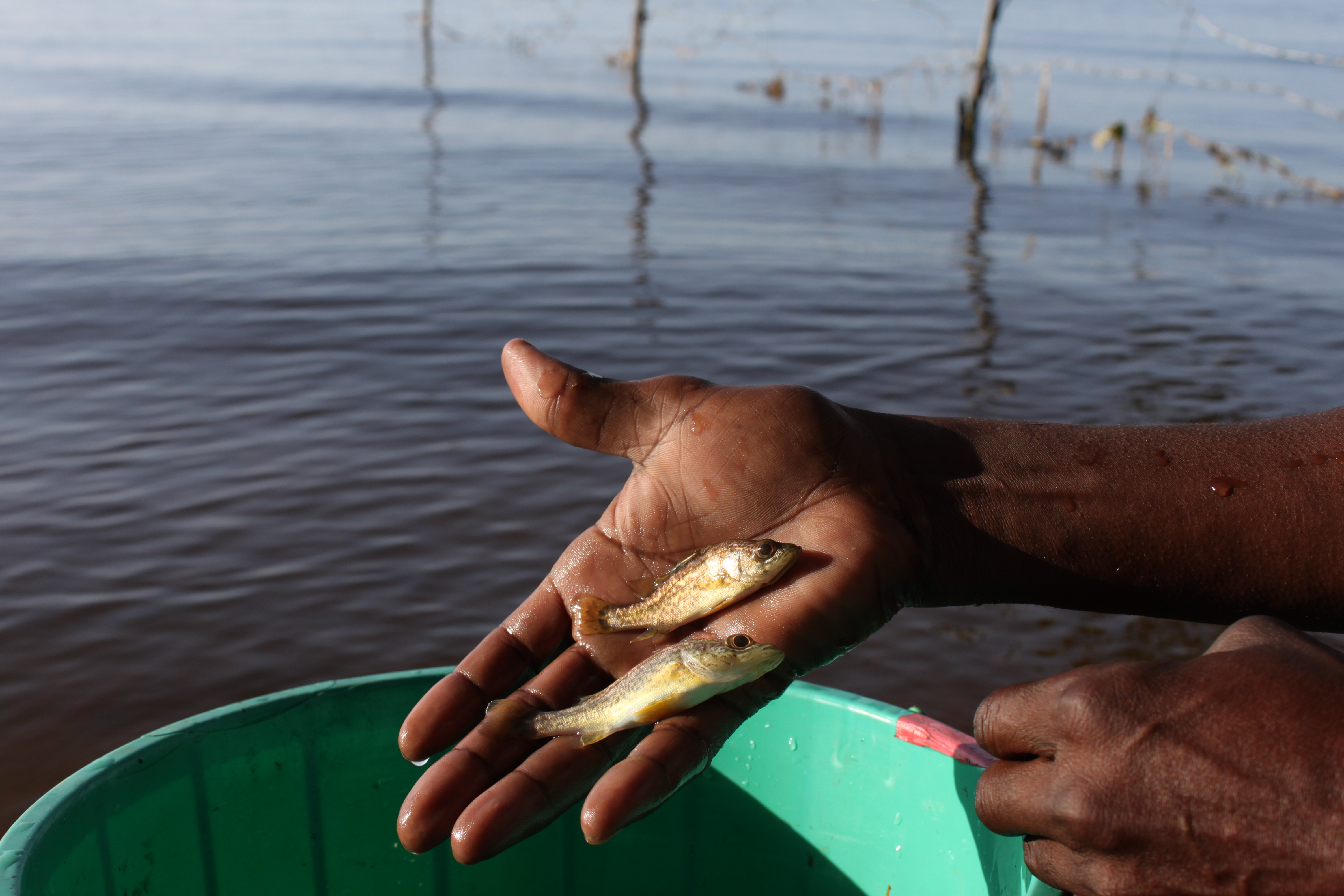
Environmental temperature is a key predictor of species distribution that can affect fitness and performance of individuals. Assuming organisms are adapted to the thermal regime of their environment, their temperature limits and optimum should fall with the thermal range of their natural habitat. The effect of water temperature on aerobic performance is key in determining persistence of fish populations faced with rising water temperatures. However, there is a paucity of empirical data on thermal sensitivity of tropical fishes, many of which contribute to food security. In Africa alone, about half of the human population relies on fish for more than 20% of its animal protein intake; and in some countries such as Uganda, East Africa, fish is critical, comprising an estimated 50% of per capita protein consumption. Lake Victoria is home to Africa’s largest inland fishery fueled by the large piscivorous, non-native Nile perch (Lates niloticus).
The general goal of my M.Sc. research was to evaluate the effects of body size and habitat conditions on thermal tolerance of Nile perch. In fishes, resting metabolic rate is known to increase with body size, and it is predicted that thermal sensitivity is also greater in larger individuals. Habitat specificity may also be an important predictor of thermal sensitivity, particularly when populations show habitat-related ecological divergence, as is the case with Nile perch. In Lake Nabugabo (Uganda), juvenile Nile perch captured near wetlands show larger gill size, a different body shape, and a more piscivorous diet than their conspecifics captured in well-oxygenated waters suggesting habitat-specific phenotypes. I conducted respirometry and critical thermal maximum (CTmax) trials on juvenile perches (5-20 cm TL) from these distinct habitats of Lake Nabugabo acclimated for a minimum of three days to ambient (25.5 oC) and elevated water temperatures (27.5 oC, 29.5 oC, 31.5 oC).
 Laboratoire d'Emmanuelle Chrétien, UQAR